


Understanding the Trade Landscape
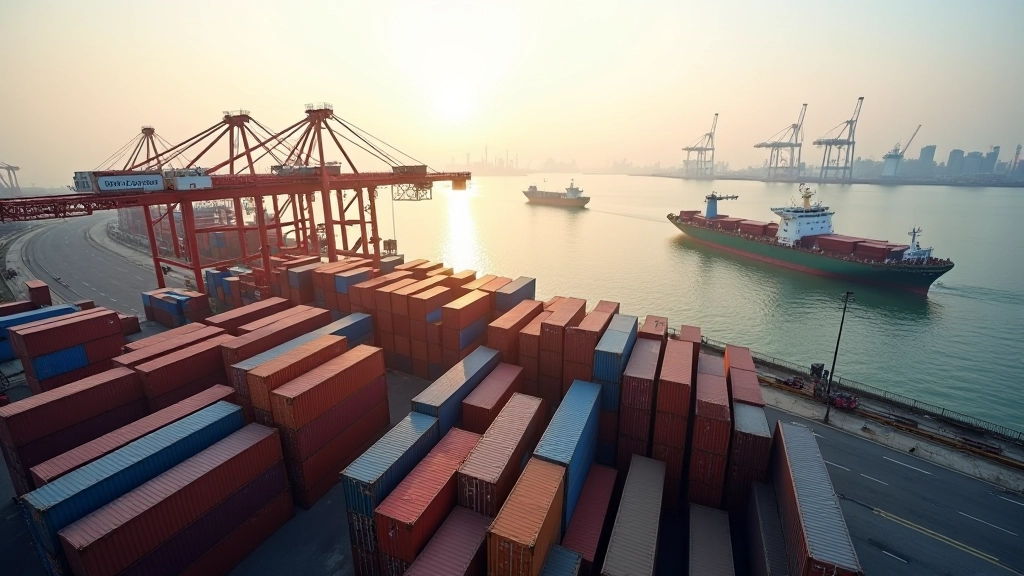
Malaysia’s international trade framework isn’t just about numbers—it’s about strategic positioning. The country’s economy relies heavily on exports, making trade partnerships crucial for growth. You’ll find Malaysia deeply integrated into regional supply chains, particularly in electronics and petrochemicals.
The Regional Comprehensive Economic Partnership (RCEP) came into effect in 2022, creating the world’s largest free trade agreement by GDP. For Malaysia, this meant preferential access to massive markets across Asia-Pacific. But CPTPP, signed earlier, focuses on higher standards and deeper integration with developed economies like Japan, Canada, and Australia.
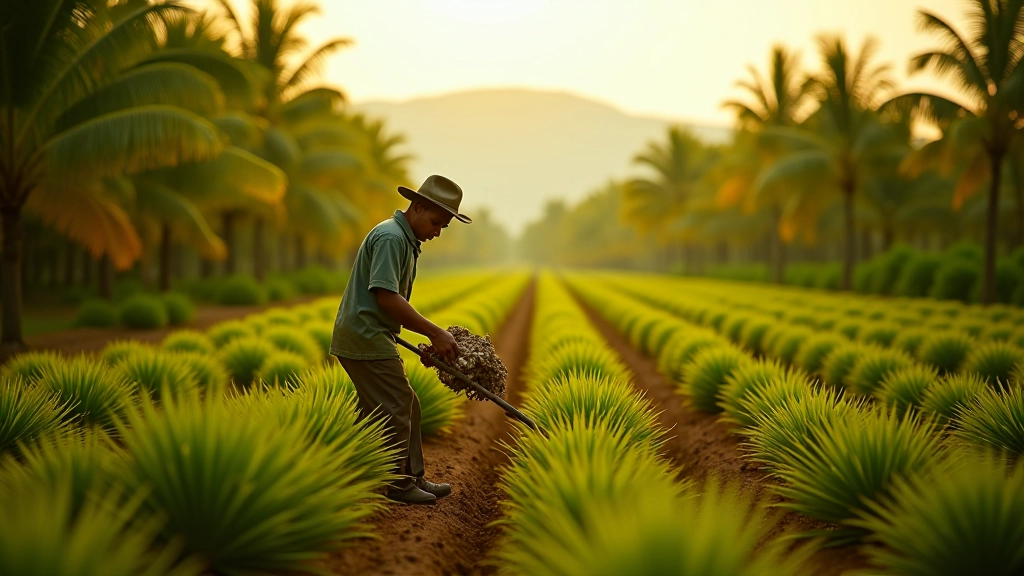
What makes Malaysia’s trade story interesting isn’t just these agreements—it’s how the country manages competing interests. Palm oil remains controversial globally due to sustainability concerns, yet it’s economically vital. Meanwhile, semiconductors represent the future, with Malaysia hosting significant manufacturing operations for global tech companies.
The real complexity lies in balancing commodity exports (palm oil, petroleum products) with high-value manufacturing (semiconductors, electronics). Trade surpluses in some sectors mask deficits in others. And ASEAN positioning adds another layer—Malaysia must maintain relationships with neighbors while competing for foreign investment and export markets.