Understanding Malaysia’s Trade Balance: Current Trends and Forecasts
Analysis of Malaysia’s import-export patterns, surplus sectors, and the factors driving trade performance in global markets.
Read MoreHow Malaysia navigates two major regional trade frameworks to maximize market access and export growth

Malaysia’s position in global trade isn’t determined by just one agreement. The country’s strategic approach involves simultaneous participation in two major regional frameworks — the Regional Comprehensive Economic Partnership (RCEP) and the Comprehensive and Progressive Agreement for Trans-Pacific Partnership (CPTPP). Each framework opens different doors to different markets, and Malaysia’s skillful navigation between them creates a unique advantage in Southeast Asia.
These aren’t competing frameworks — they’re complementary tools. RCEP covers the largest consumer base in the world through Asian markets, while CPTPP connects Malaysia to developed economies with high purchasing power. Understanding how these agreements work together reveals Malaysia’s sophisticated approach to trade in the 2020s.
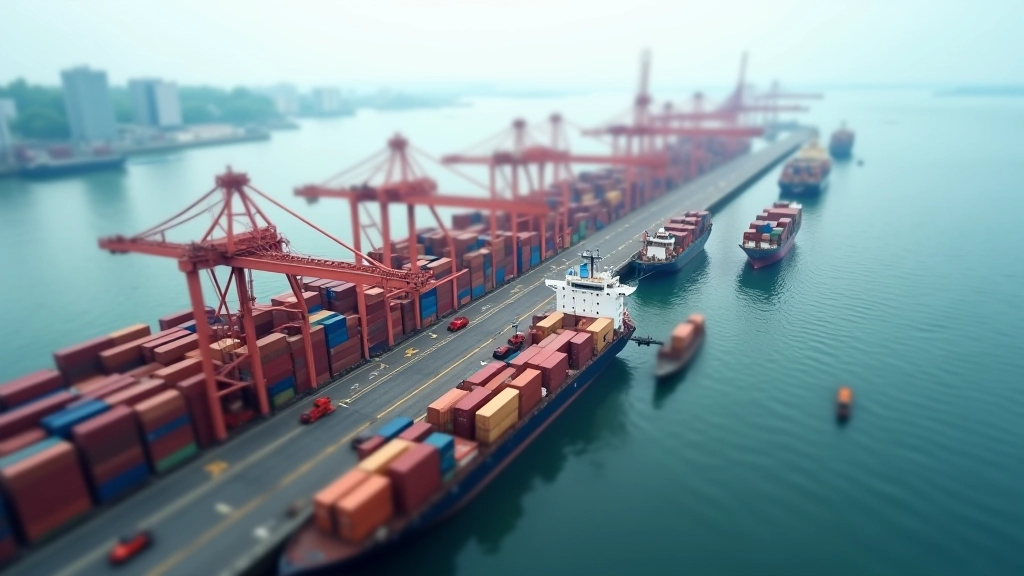
The RCEP framework came into force in January 2022, and it’s genuinely massive. We’re talking about an agreement covering 10 ASEAN countries plus China, Japan, South Korea, Australia, and New Zealand. That’s roughly 2.3 billion people — about 30% of global GDP.
For Malaysia, RCEP means tariff reductions on key exports like palm oil, electronics, and rubber. The agreement eliminates duties on about 90% of goods traded among member nations, which is significant. But here’s the thing — RCEP also works both ways. It opens Malaysian markets to competition from these countries, particularly in manufacturing sectors where China and Vietnam have cost advantages.
Key RCEP benefit for Malaysia: Preferential access to 2.3 billion consumers across Asia, with tariff elimination on major export categories and simplified rules of origin that make cross-border supply chains more efficient.


Malaysia joined CPTPP in 2023, becoming the 11th member. This agreement’s different in character — it’s smaller than RCEP but covers more developed economies: Japan, Canada, Australia, Vietnam, Singapore, and others. The 11-member group represents about $10 trillion in combined GDP.
CPTPP has higher standards. It’s not just about tariffs — it covers intellectual property, environmental protections, labor standards, and digital trade. For Malaysia, this creates both opportunities and obligations. On the opportunity side, preferential access to wealthy consumer markets in North America, Japan, and Australia. On the obligation side, Malaysia needs to align certain domestic policies with CPTPP standards, which isn’t always straightforward for all sectors.
The agreement reduces tariffs on Malaysian goods in these premium markets. Electronics exports get particular benefit — Japanese and Australian consumers increasingly demand Southeast Asian products that meet CPTPP standards.
Malaysia’s real advantage isn’t choosing between RCEP and CPTPP — it’s using both simultaneously. Think about a Malaysian electronics manufacturer. They can source components from RCEP countries at preferential rates, assemble them domestically, then export finished products to CPTPP markets at reduced tariffs. That’s supply chain optimization that few countries can replicate.
This dual membership creates what economists call “preferential trading blocs alignment.” Malaysia acts as a bridge between the two frameworks. The country benefits from RCEP’s massive consumer base for volume products while accessing CPTPP’s premium markets for higher-value goods. Palm oil producers can sell to RCEP countries affordably, while technology firms can command better margins in CPTPP markets.
The challenge? Meeting different standards. CPTPP demands stricter environmental and labor protections than RCEP. Palm oil producers, for instance, must satisfy both RCEP trading partners who want affordability and CPTPP partners who demand sustainability certifications. It’s manageable but requires investment in compliance infrastructure.
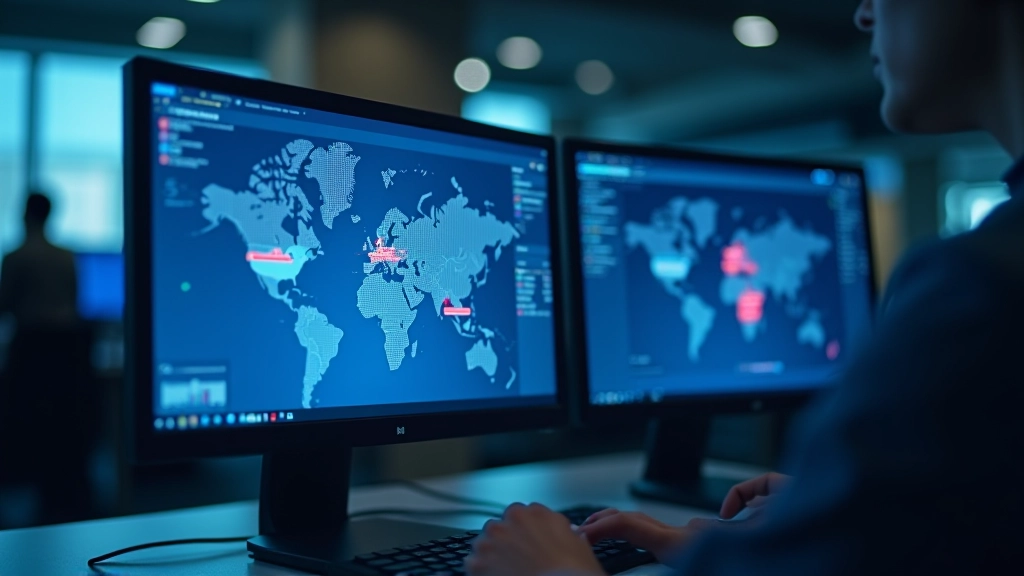
RCEP provides cost-competitive access to massive Asian markets. CPTPP ensures certified sustainable products reach premium buyers in developed nations willing to pay more for verified environmental standards. Malaysia produces about 60% of the world’s palm oil — both frameworks expand where it can go.
Malaysia’s semiconductor industry benefits enormously. RCEP reduces costs for regional supply chains, while CPTPP opens high-margin markets in Japan, Canada, and Australia. The country hosts major facilities for companies like Intel and Broadcom — tariff reductions directly improve competitiveness.
Automotive suppliers benefit from RCEP’s streamlined rules of origin, making regional assembly more efficient. CPTPP opens doors to stringent but lucrative markets like Canada and Japan where Malaysian parts suppliers can compete on quality.
CPTPP has strong provisions for digital trade and services, protecting intellectual property while opening markets. This benefits Malaysian software firms, digital services, and fintech companies seeking to scale internationally.
Juggling two trade agreements sounds great in theory, but execution is complicated. Malaysia faces several real challenges. First, the standards divergence — CPTPP requires higher environmental and labor protections than RCEP members universally implement. For palm oil producers, this means maintaining dual supply chains: one optimized for RCEP volume sales, another meeting CPTPP sustainability standards.
Second, there’s the rules-of-origin complexity. Different agreements have different criteria for what qualifies as “Malaysian made” and eligible for tariff benefits. A product manufactured using components from multiple RCEP countries might not qualify for CPTPP benefits, requiring different sourcing strategies.
Third, competitive pressure increases. Being in both agreements means Malaysian firms face competition from other member countries. Vietnam, Indonesia, and Thailand are also RCEP members. CPTPP adds Japan, Australia, and others. Malaysia can’t rely on being the only option — it needs constant improvement in productivity and quality.
Malaysia’s positioning in both RCEP and CPTPP isn’t accidental — it’s strategic foresight. The country recognized that the future of trade isn’t about choosing one framework. It’s about leveraging multiple pathways to maximize growth.
RCEP gives Malaysia access to unparalleled consumer volume. The sheer population of China, India (soon), and Southeast Asia creates massive demand. CPTPP opens premium markets where quality and innovation command better margins. Together, they create optionality — Malaysian companies can diversify their customer base and reduce dependence on any single market.
The next phase of Malaysian trade success depends on execution. Companies need to navigate different standards, optimize supply chains for both frameworks, and invest in quality improvements for premium markets. The government’s role is facilitating this transition through infrastructure investment and regulatory clarity. When both are aligned, Malaysia’s dual membership becomes not just an advantage — it becomes a competitive moat.
“Malaysia’s real strategic advantage isn’t that it chose RCEP or CPTPP. It’s that it chose both, and positioned itself to leverage the unique benefits of each framework simultaneously.”
This article provides informational analysis of Malaysia’s participation in RCEP and CPTPP trade agreements. The content is intended for educational purposes to help readers understand how these frameworks function and their potential impact on Malaysian trade. This isn’t financial, investment, or trade policy advice. Trade dynamics are complex and subject to change based on economic conditions, political decisions, and international developments. If you’re involved in business decisions related to these trade agreements, consult with trade specialists, legal advisors, and industry experts who understand your specific circumstances. The statistics and timeframes mentioned reflect information available as of March 2026 and may have evolved.