
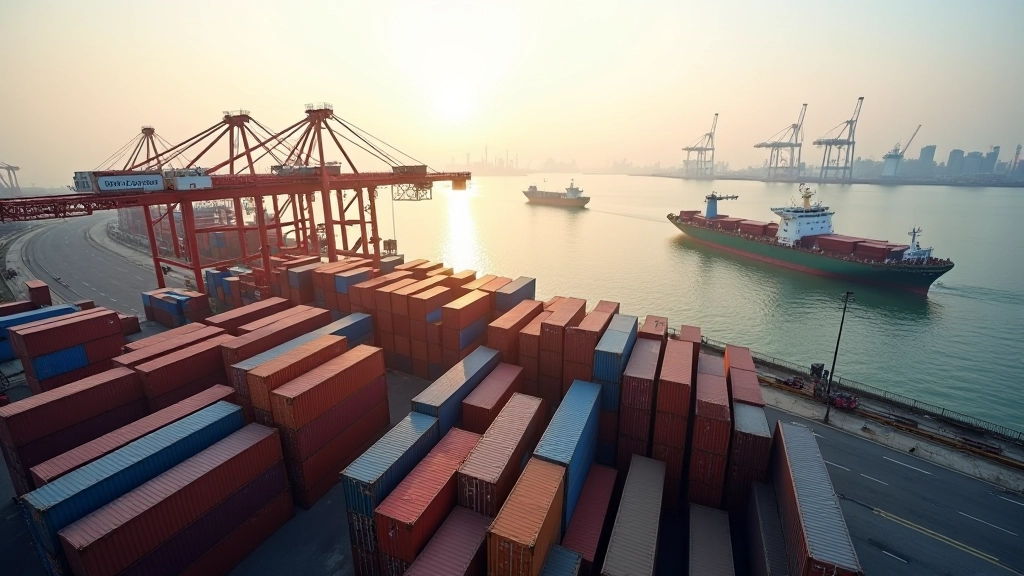
Understanding Malaysia’s Trade Balance: Current Trends and Forecasts
Analysis of Malaysia’s import-export patterns, surplus sectors, and the factors driving trade balance shifts in the regional economy.
Read MoreUnderstanding Malaysia’s role in global palm oil production, evolving sustainability standards, and the shifting international trade landscape.
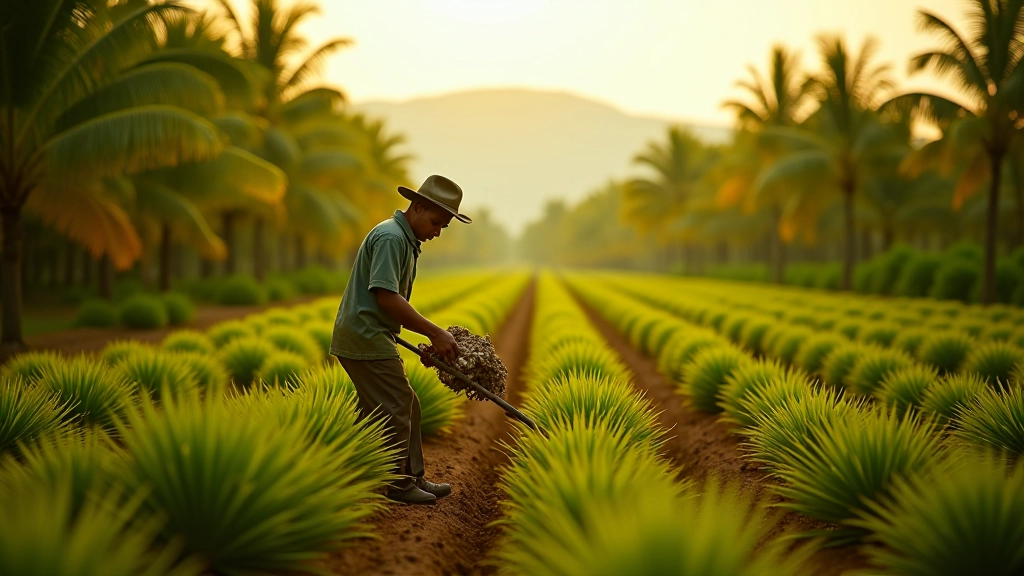
Malaysia’s been a major player in the palm oil industry for decades. It’s the world’s second-largest producer after Indonesia, accounting for roughly 28% of global palm oil production. The numbers tell the story — we’re talking about millions of tonnes annually exported to over 150 countries worldwide.
But here’s the thing: the industry faces real pressure. Environmental concerns, sustainability standards, and changing market preferences are reshaping how palm oil gets produced and traded. It’s not simple anymore. Producers can’t just focus on volume — they’ve got to balance profitability with environmental responsibility.
The Roundtable on Sustainable Palm Oil (RSPO) certification’s become essential for exporters wanting to access premium markets. Created back in 2004, it’s now the benchmark most buyers reference. The certification covers environmental protection, labor rights, and community relations. It’s not just nice-to-have — major retailers like Unilever and Nestlé demand RSPO-certified sourcing.
What’s interesting is how certification impacts pricing. RSPO-certified palm oil typically commands a 5-10% price premium in the market. That sounds good until you factor in the costs — audits, training, documentation, plantation improvements. Many smallholders struggle with these requirements, which creates a two-tier market where larger producers thrive while smaller operations get squeezed out.
The EU’s been pushing even harder with regulations like the Deforestation Regulation (EUDR), which comes into effect in December 2024. It essentially requires proof that palm oil didn’t come from recently deforested land. This shifts the burden onto producers to demonstrate supply chain transparency.


Global demand’s been volatile. The biofuel sector used to absorb significant quantities — that’s changed as renewable energy policies shifted. Food processing remains the largest end-use, accounting for about 60-70% of consumption. Cosmetics, pharmaceuticals, and animal feed make up the rest.
India’s become Malaysia’s largest buyer, followed by China and the European Union. India imports around 8-9 million tonnes annually, using it primarily for cooking oil and margarine production. This concentration creates risk — when India adjusts import policies or domestic production increases, Malaysia’s exporters feel it immediately.
Pricing’s tied to crude oil markets, which creates unpredictability. When petroleum prices rise, palm oil becomes relatively attractive as an industrial feedstock. When they fall, palm oil’s competitiveness shrinks. Over the past decade, prices have ranged from lows around $300/tonne to highs exceeding $1,200/tonne.
The industry’s facing interconnected pressures that don’t have simple solutions.
Deforestation’s the biggest issue. Expanding plantations have replaced rainforests in Sabah and Sarawak. While recent deforestation rates have slowed compared to the 2000s, pressure remains. NGOs and governments scrutinize land-use change. Producers must now prove their plantations didn’t involve recent forest conversion.
Migrant worker conditions have drawn criticism. Wage levels, housing, and working conditions vary significantly across plantations. Community rights, especially indigenous land claims, remain contentious. Larger companies have improved standards, but smaller operations lag behind. The RSPO certification requires addressing these, but enforcement remains uneven.
Indonesia’s increasing production capacity means Malaysia faces stiff competition for market share. Alternative oils like soy, canola, and sunflower also compete for industrial applications. Some food companies actively pursue palm-oil-free formulations, reducing demand. Price competition’s intense, squeezing margins for producers.
Different markets impose different requirements. The EU’s EUDR, the UK’s regulations, Chinese import standards — they’re not harmonized. Exporters must navigate multiple compliance frameworks simultaneously. What works for one market doesn’t automatically work for another, increasing operational complexity and costs.
Malaysia’s palm oil sector isn’t disappearing — it’s transforming. The trend toward sustainable, certified production will accelerate. This benefits larger, well-capitalized producers who can invest in compliance infrastructure. Smallholders will increasingly need to organize into cooperatives or seek out certifying bodies offering group certification.
Technology’s playing a bigger role. Satellite monitoring systems track land-use changes in real-time, making it harder to hide non-compliant practices. Blockchain systems are being tested for supply chain transparency. These innovations don’t eliminate challenges, but they make compliance more verifiable and transparent.
“The future of Malaysian palm oil depends on balancing production efficiency with genuine environmental stewardship. It’s not an either-or situation — sustainable practices and profitability can coexist.”
Market demand won’t vanish. Palm oil remains one of the most efficient crops per hectare for oil production. As long as food, cosmetics, and industrial applications need vegetable oils, there’ll be demand. The question isn’t whether Malaysia will export palm oil, but whether it’ll do so in a way that meets evolving global expectations for sustainability and responsibility.

This article provides educational information about Malaysia’s palm oil export sector, sustainability standards, and market dynamics. The information reflects conditions as of March 2026 and is based on publicly available data. Market conditions, regulatory requirements, and trade policies change frequently. Anyone involved in the palm oil industry, whether as producers, traders, or policy makers, should consult current official sources, industry associations like the Malaysian Palm Oil Council (MPOC), and relevant government agencies for the most up-to-date information. Environmental and labor practices vary significantly across operations, and specific conditions should be verified directly rather than generalized from this overview.