
Understanding Malaysia’s Trade Balance: Current Trends and Forecasts
Exploring the dynamics of Malaysia’s import-export landscape, bilateral relationships, and economic positioning in regional trade agreements.
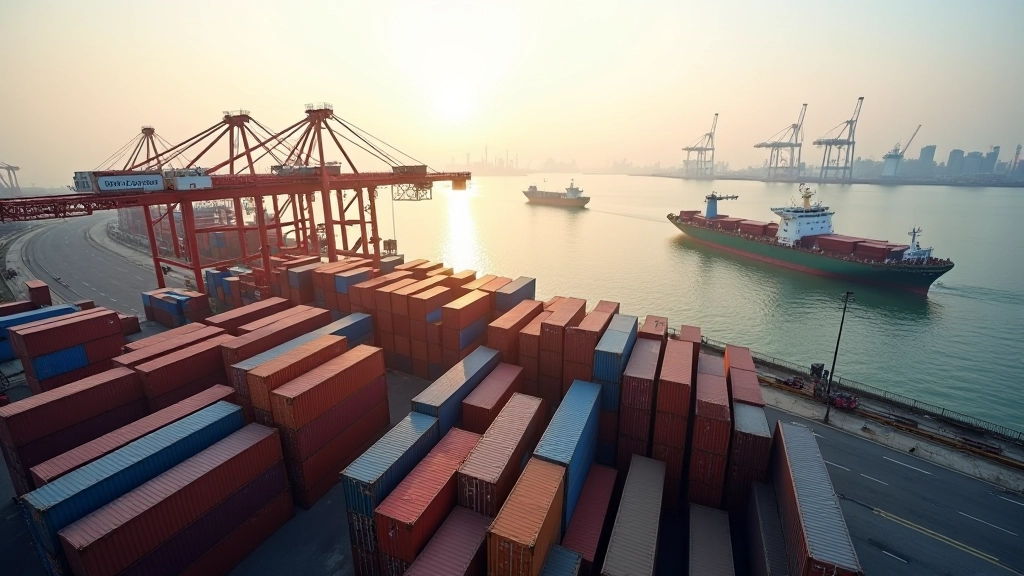
Malaysia’s Role in Global Trade
Malaysia’s trade balance tells a compelling story. It’s not just about numbers on a spreadsheet — it’s about how a nation of 34 million people has positioned itself as a critical player in some of the world’s most important supply chains. The country consistently maintains a trade surplus, meaning exports outpace imports. That’s remarkable for an economy this size.
But here’s where it gets interesting. Malaysia doesn’t rely on just one or two products. The country exports semiconductors, palm oil, petroleum, rubber, and machinery. This diversification matters because it reduces vulnerability when any single market faces challenges. We’re talking about genuine economic resilience built over decades.
Export Performance: The Driving Force
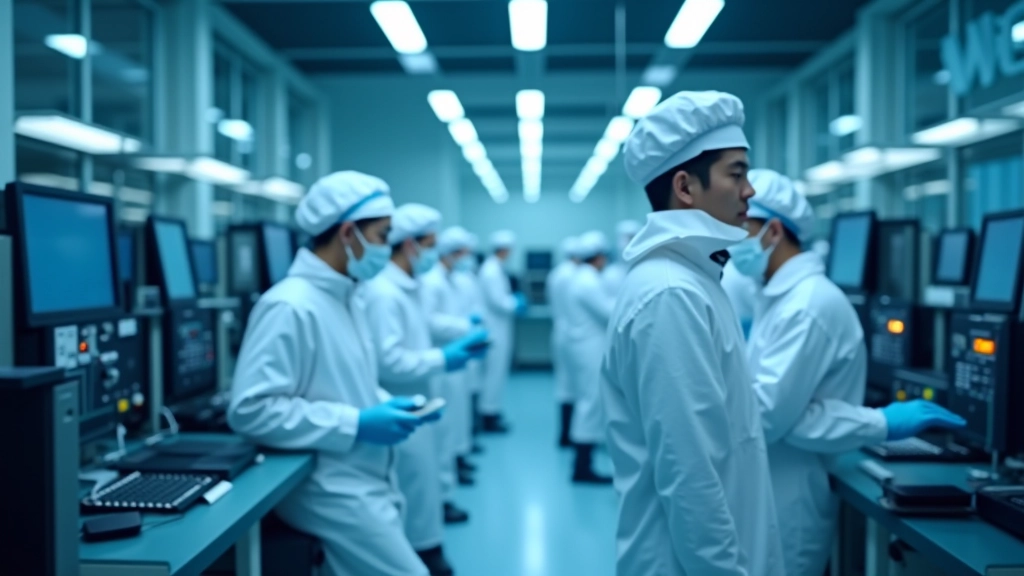
Malaysia’s export sector is where the real action happens. Last year alone, exports reached approximately $250 billion, with semiconductors claiming nearly 35% of that figure. This isn’t accidental. Malaysia’s semiconductor industry has evolved into a genuine manufacturing hub for global tech companies. Companies like Intel, AMD, and various other electronics manufacturers operate sophisticated production facilities here.
The semiconductor dominance didn’t happen overnight. It’s the result of strategic government policies, infrastructure investment, and a skilled workforce. What’s more, these exports generate high-value jobs and attract continuous foreign direct investment. You’re looking at thousands of engineers, technicians, and support staff employed across the sector.
Beyond semiconductors, palm oil remains significant. Though facing sustainability scrutiny globally, Malaysia still produces roughly 60% of the world’s palm oil. The industry supports nearly 600,000 people across cultivation, processing, and distribution. It’s not just about volume — it’s about the livelihoods and communities dependent on this sector.
Regional Trade Agreements: RCEP and CPTPP
Malaysia’s involvement in RCEP (Regional Comprehensive Economic Partnership) and CPTPP (Comprehensive and Progressive Agreement for Trans-Pacific Partnership) fundamentally reshapes its trade landscape. These aren’t just agreements on paper. They’re operational frameworks that reduce tariffs, simplify customs procedures, and create preferential access to massive markets.
RCEP connects Malaysia to 10 ASEAN nations plus China, Japan, South Korea, and Australia. That’s roughly 2.3 billion people. When you eliminate tariffs on industrial goods and streamline regulations, trade doesn’t just increase incrementally — it can expand dramatically. Malaysian manufacturers can source inputs more cheaply from regional partners and export finished products with reduced duties.
CPTPP offers different advantages. It’s a higher-standard agreement requiring members to adopt stricter labor, environmental, and intellectual property protections. For Malaysia, it means access to developed markets like Canada, Australia, and Japan while positioning the country as a reliable trading partner for premium goods.
The interplay between these agreements creates opportunities. A company might source raw materials through RCEP partners, manufacture using CPTPP-standard processes, and export to both regional and developed markets. It’s sophisticated trade orchestration.
Import Patterns and Bilateral Relationships
Malaysia’s imports tell you something crucial about its manufacturing strategy. The country imports roughly $130 billion annually, with machinery and electrical equipment representing about 40% of that. Why? Because Malaysian manufacturers are importing precision equipment to produce goods for export. It’s a classic model of value-added manufacturing.
China dominates as the top import source, supplying nearly 18% of Malaysia’s imports. That’s followed by the United States, Singapore, Japan, and Germany. These aren’t random relationships. They reflect supply chain realities. Semiconductors need specialized equipment from Japan and the US. Machinery comes from Germany and China. Chemical inputs come from multiple sources across Europe and Asia.
With China specifically, Malaysia maintains a balanced but complex relationship. China’s both a major supplier and a major customer. This dual role creates both opportunities and vulnerabilities. Trade tensions between major powers can affect Malaysia’s position, yet Malaysia’s strategic location and manufacturing capabilities make it valuable to multiple parties.
The US relationship emphasizes high-tech sectors. American companies operate significant operations in Malaysia, and the country imports advanced machinery while exporting semiconductors back to the US market. It’s genuine mutual benefit rather than one-sided dependence.

2026-2028 Trade Outlook
Looking ahead, Malaysia’s trade balance is expected to remain positive. Several factors support this. First, semiconductor demand continues growing globally as AI infrastructure and automotive electrification accelerate. Malaysia’s manufacturing capacity positions it well to capture this growth. Second, RCEP implementation is still gaining momentum, with tariff reductions creating expanding opportunities.
Semiconductors
Expected growth of 8-12% annually through 2028 as global demand for chips remains strong and Malaysia expands capacity for advanced packaging.
Palm Oil Evolution
Shift toward sustainable, certified products may reduce volume but increase per-unit value. Markets are willing to pay premiums for responsible sourcing.
Machinery & Equipment
Regional manufacturing expansion through RCEP means more machinery imports but also creates opportunities for Malaysia to become a regional manufacturing hub.
Supply Chain Resilience
Companies seeking alternatives to concentration in single markets will increase Malaysia’s importance. Diversification strengthens long-term trade positioning.
However, challenges exist. Geopolitical tensions, particularly around Taiwan and semiconductors, create uncertainty. Trade policy shifts in major economies could affect tariff benefits. Environmental regulations on palm oil may intensify. But Malaysia’s diversified export base, skilled workforce, and strategic location provide resilience to weather these headwinds.
Key Takeaways
Diversification is Strength
Malaysia’s trade surplus stems from exporting multiple high-value products rather than relying on commodity dependence. This reduces vulnerability.
Regional Agreements Matter
RCEP and CPTPP aren’t just economic frameworks — they’re operational tools that Malaysia actively leverages for competitive advantage.
Strategic Positioning Works
Malaysia’s geographic location and developed infrastructure make it valuable to multiple trading partners, creating balanced relationships rather than dependencies.
Future Looks Solid
While challenges exist, semiconductor demand growth, regional integration, and supply chain diversification support optimistic medium-term forecasts through 2028.
Understanding Trade Dynamics Matters
Malaysia’s trade balance reflects sophisticated economic strategy and positioning. Whether you’re tracking supply chains, evaluating investment opportunities, or understanding regional economics, these trade patterns matter. They influence everything from currency values to employment to infrastructure development.
Explore RCEP & CPTPP DetailsImportant Information
This article presents information about Malaysia’s trade balance based on publicly available data and economic analysis. Trade statistics, forecasts, and interpretations are subject to change based on new data releases, policy changes, and global economic conditions. This content is educational in nature and doesn’t constitute investment advice, trade recommendations, or policy guidance. International trade is complex and multifaceted — circumstances vary significantly by sector, company, and individual situation. For specific trade questions, consult with trade specialists, government trade agencies, or qualified economic advisors.
Related Articles