




TradeFlow Asia Logo TradeFlow Asia Contact Us
Contact Us

Semiconductor Exports: Malaysia’s Position in the Global Supply Chain

Malaysia’s semiconductor sector has become a cornerstone of the global electronics industry. We’re examining how this Southeast Asian nation maintains its competitive edge, the complexities of modern chip manufacturing, and what the future holds for its export-driven economy.

13 min read Intermediate March 2026
Modern semiconductor manufacturing facility with precision equipment and clean room technology for advanced chip production

The Foundation of Global Electronics

Malaysia’s journey in semiconductors didn’t happen overnight. Starting from basic assembly operations in the 1970s, the country evolved into a sophisticated manufacturing hub. Today, it’s one of the world’s leading semiconductor exporters, competing with established players like Taiwan, South Korea, and Japan.

What makes Malaysia’s position unique? It’s not just about volume. The country specializes in critical segments of the supply chain — packaging, testing, and assembly (often called OSAT services). These aren’t flashy operations that make headlines, but they’re absolutely essential. Every smartphone, laptop, and automotive chip that ships globally likely passed through Malaysian facilities at some point.

Semiconductor wafer manufacturing process showing precision engineering and quality control standards in modern fabrication

Where Malaysia Fits in the Global Chain

The semiconductor industry operates like an intricate relay race. Design happens in one place, manufacturing in another, and final assembly in a third. Malaysia dominates the assembly and testing phase — the final steps before chips reach consumers.

This specialization is strategic. While Taiwan and South Korea invested heavily in cutting-edge fabrication plants (fabs), Malaysia focused on becoming the world’s most efficient backend processor. The country’s OSAT sector handles approximately 35-40% of global chip packaging and testing. That’s not a small detail — it’s the difference between a raw wafer and a product ready for market.

Key Players: Penang and Johor host major facilities from companies like Intel, AMD, Broadcom, and Qualcomm. These aren’t small operations — we’re talking about hundreds of thousands of workers and billions in annual exports.

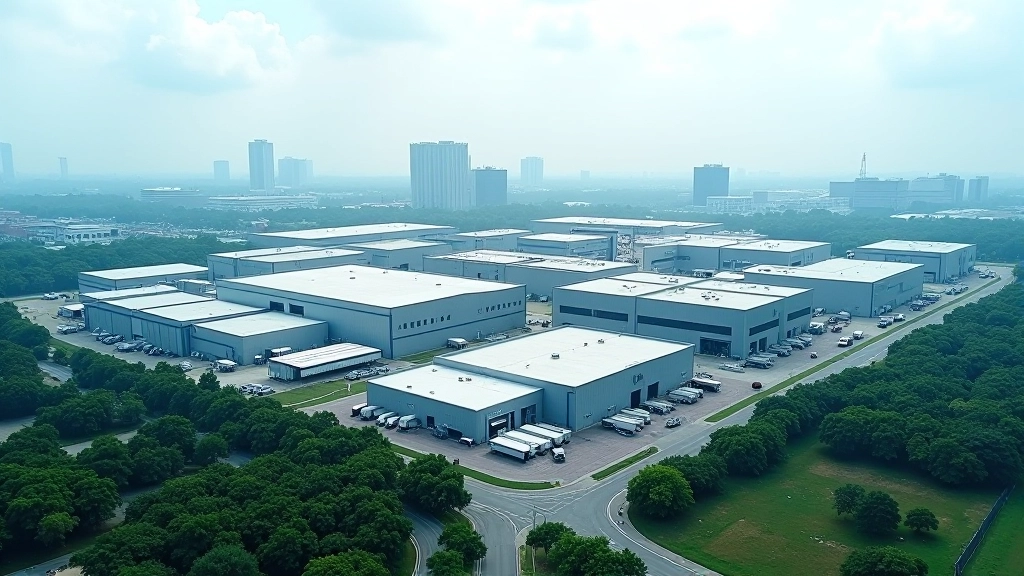
Aerial view of large semiconductor manufacturing complex with multiple industrial buildings and logistics infrastructure in Malaysia
Technician in protective gear examining semiconductor components during quality control inspection in manufacturing environment

Competitive Advantages That Matter

Malaysia’s strength comes from several converging factors. First, there’s the established ecosystem. Decades of operations mean the country’s got the infrastructure, skilled workforce, and supplier networks already in place. You don’t rebuild that overnight — it’s a massive advantage.

Second, cost efficiency. While labor costs have risen compared to earlier decades, Malaysia still offers better economics than many developed nations. This matters when you’re processing millions of chips annually with thin margins.

Third, reliability and speed. Companies trust Malaysian facilities to deliver quality at scale. The country’s OSAT operators can handle everything from simple packaging to complex multi-chip modules. That versatility is worth billions.

But there’s a challenge too. China’s emerging as a serious competitor in backend operations. India’s investing heavily in semiconductor manufacturing. Malaysia can’t rest on its reputation — continuous innovation and efficiency improvements are non-negotiable.

Challenges and Opportunities Ahead

The semiconductor industry’s evolution creates both risks and opportunities for Malaysia. Advanced packaging technologies like chiplets and 3D stacking require new expertise. Malaysia’s manufacturers are investing in these capabilities, but it’s expensive and time-consuming.

Then there’s geopolitical complexity. Trade tensions between the US and China directly impact semiconductor supply chains. Malaysia’s position as a neutral player helps, but it’s also exposed to these broader tensions.

On the positive side, demand isn’t slowing. Artificial intelligence, electric vehicles, and advanced computing all require more chips. Malaysia’s positioned to benefit from this surge if it stays competitive. The country’s government’s also pushing for higher-value activities — moving beyond basic assembly toward design and advanced manufacturing.

35-40% Global OSAT Market Share
600K+ Sector Workforce
$35B+ Annual Export Value
Research and development laboratory with advanced semiconductor testing equipment and engineers working on next-generation chip technology

Malaysia’s Broader Trade Context

Semiconductors represent Malaysia’s single largest export category by value. They’re more significant than palm oil, petroleum products, or any other traditional export. This concentration creates both opportunity and vulnerability.

The semiconductor sector’s integration with RCEP and CPTPP trade agreements amplifies Malaysia’s importance. These partnerships create preferential access to massive markets across Asia and the Pacific. Companies considering semiconductor operations evaluate trade agreements carefully — and Malaysia’s position in both major regional agreements is a significant draw.

Looking forward, Malaysia’s semiconductor exports will likely remain strong. The sector’s maturity, established relationships, and ongoing investment suggest sustained competitiveness. But the industry’s trajectory — toward more complex, higher-value operations — requires continuous evolution. Malaysia’s manufacturers understand this. They’re not competing on cost alone anymore; they’re competing on capability, reliability, and innovation.
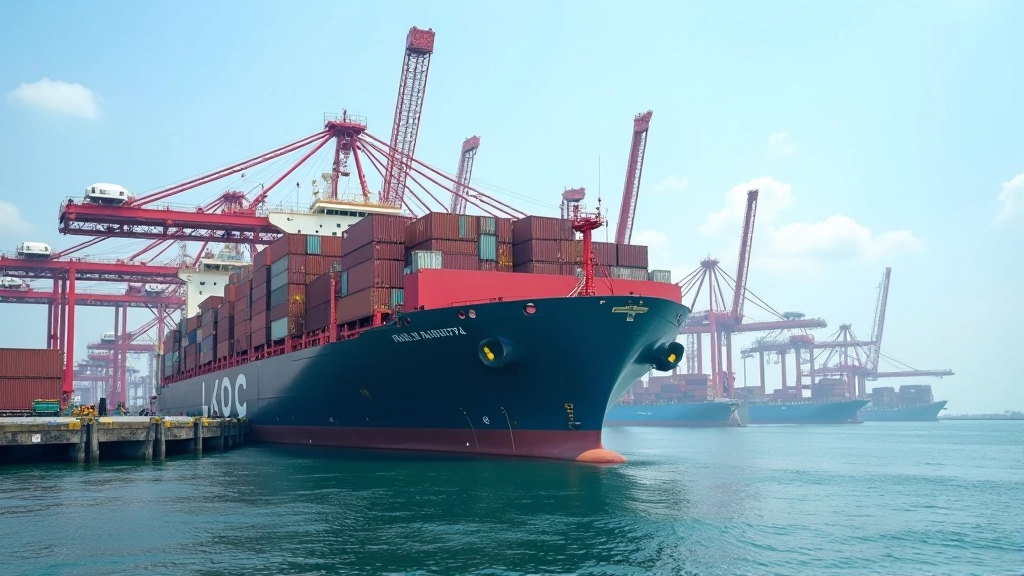
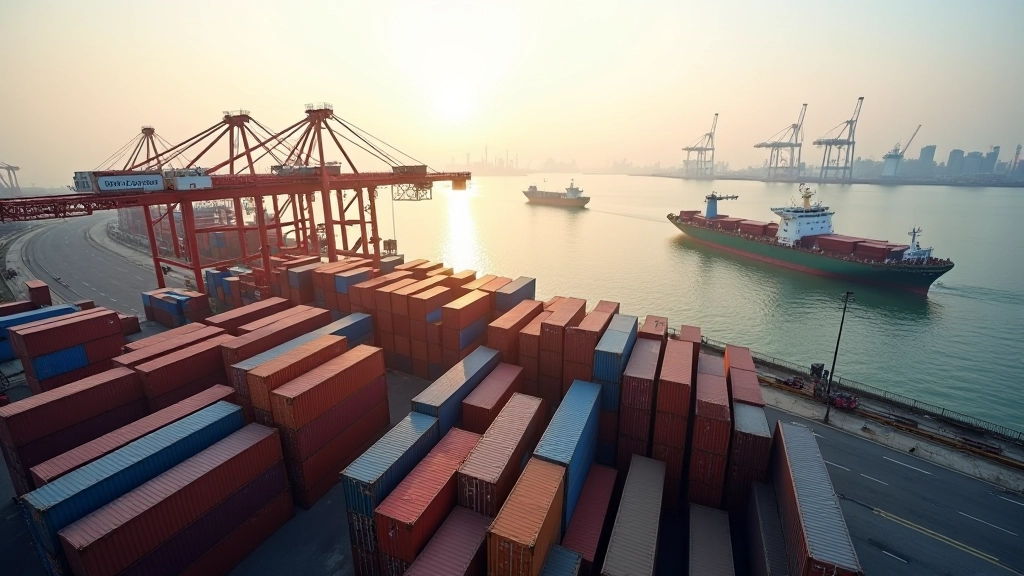
Container ship loaded with export cargo at major port facility showing global trade and logistics infrastructure

The Bottom Line

Malaysia’s semiconductor exports aren’t flashy, but they’re foundational to the global electronics industry. The country’s expertise in OSAT services, established manufacturing ecosystem, and strategic geographic position create a durable competitive advantage. Challenges exist — rising competition, technological shifts, and geopolitical tensions — but Malaysia’s demonstrated its ability to adapt and evolve over decades.

For investors, policymakers, and industry observers, Malaysia remains a critical node in global semiconductor supply chains. Understanding Malaysia’s role helps explain how chips move from concept to consumer, and why this Southeast Asian nation punches so far above its weight in the technology sector.

Explore More About Malaysia’s Trade Position

Interested in understanding Malaysia’s broader export landscape? Discover how semiconductors fit within the country’s complete trade picture, including palm oil, petroleum, and agricultural products.

Browse All Topics

About This Article

This article provides educational information about Malaysia’s semiconductor export sector, supply chain position, and global trade dynamics. The content is based on publicly available data, industry reports, and economic analysis current as of March 2026. Export volumes, market shares, and employment figures are approximate and sourced from industry publications. This material is informational only — circumstances change, and specific business decisions should be informed by current market research and professional consultation with trade specialists or economic analysts familiar with Malaysia’s semiconductor industry.